What Are Functional Mushrooms? A Beginner’s Guide for Indian Wellness Seekers
Functional mushrooms are one of the fastest-growing categories in global wellness. But for most Indians, the term is still unfamiliar — or associated with the kind of mushrooms you’d find in a biryani rather than a supplement bottle.
This guide is for anyone who’s curious but doesn’t know where to start. No jargon, no hype — just a clear explanation of what functional mushrooms are, what they do, and how to think about whether they’re right for you.
What Are Functional Mushrooms?
The word “functional” distinguishes medicinal mushrooms from culinary ones. While culinary mushrooms (button, oyster, shiitake) are eaten for taste and basic nutrition, functional mushrooms are used specifically for their bioactive compounds — molecules that interact with human physiology in measurable ways.
The most studied functional mushrooms are:
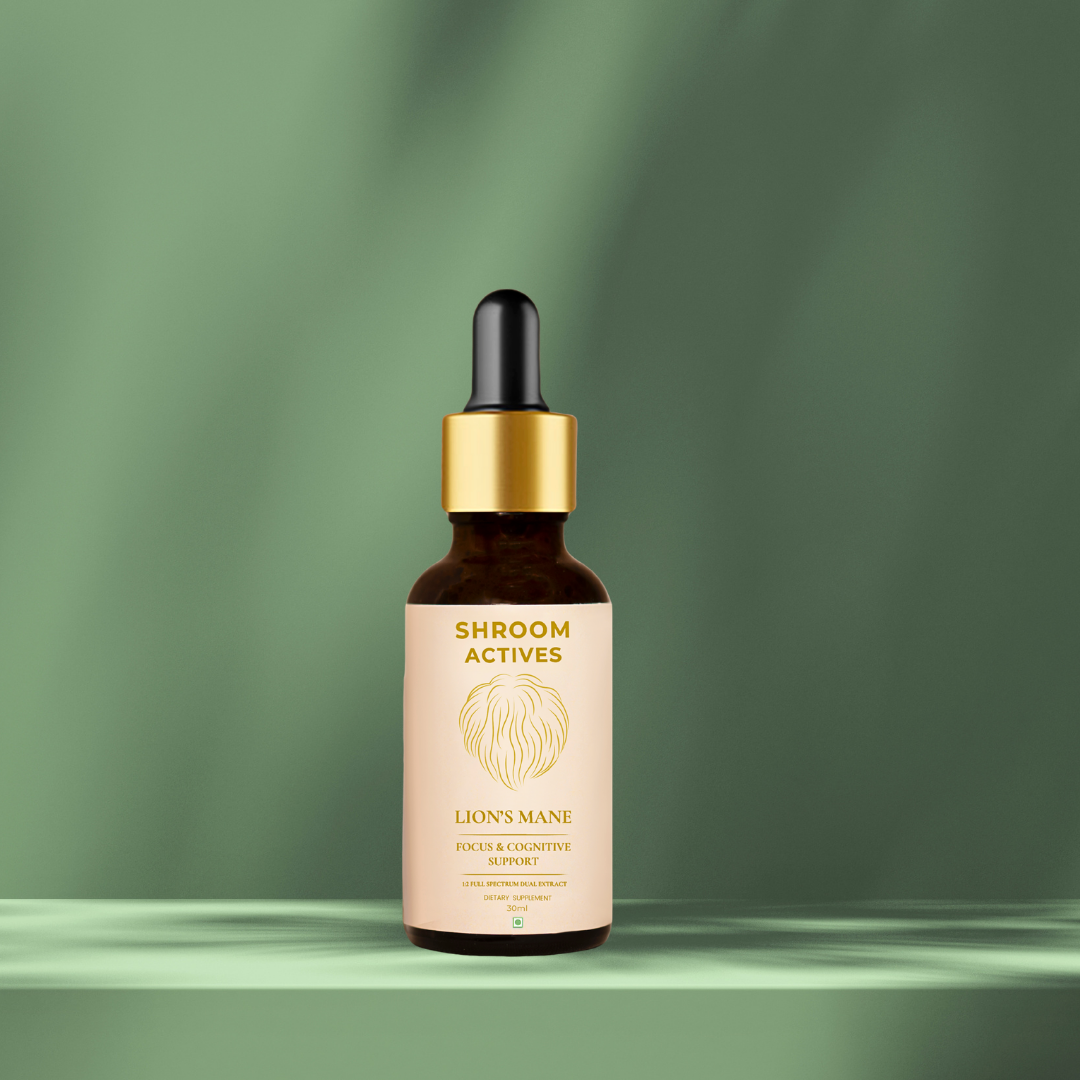
- Lion’s Mane (Hericium erinaceus) — cognitive function, nerve growth, mental clarity
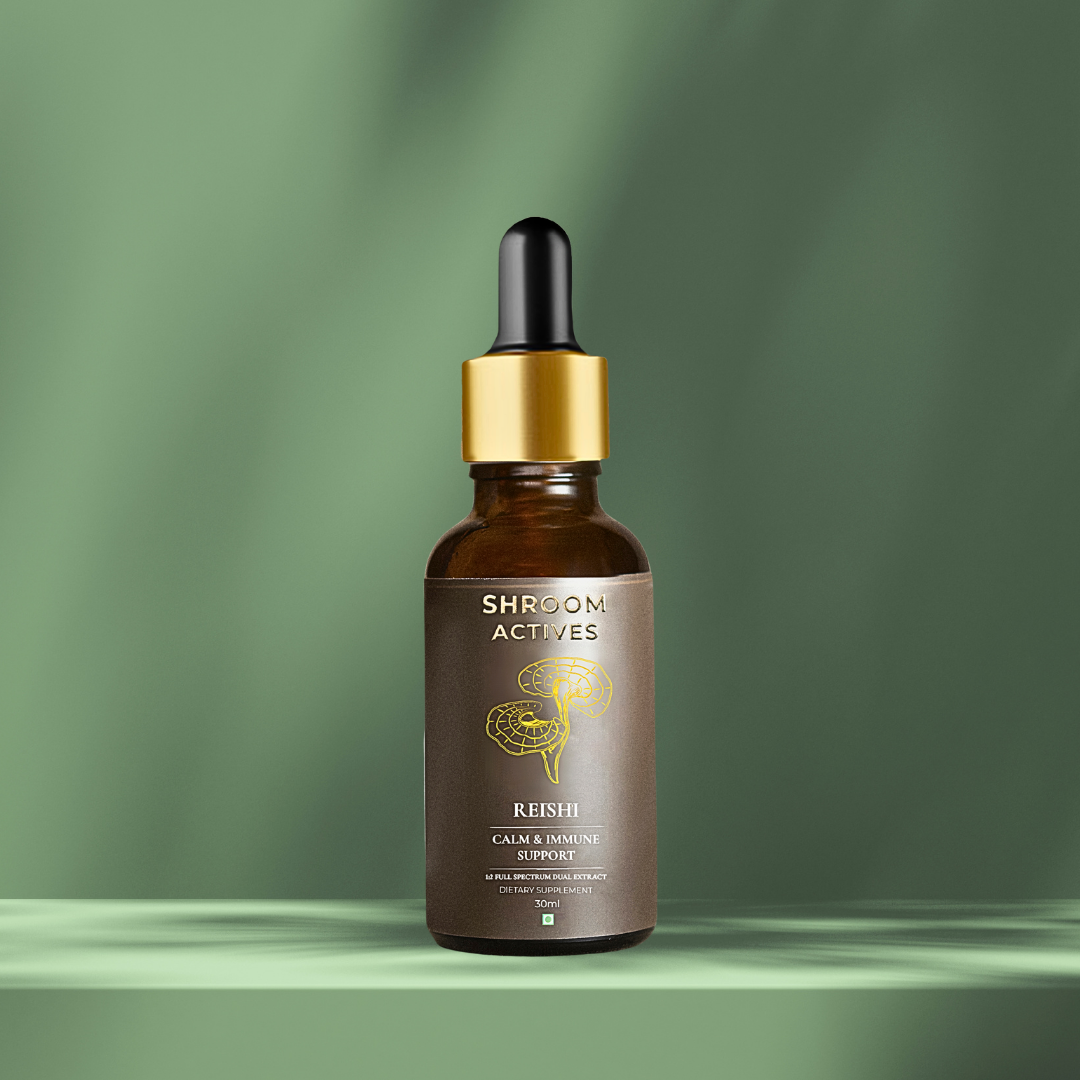
- Reishi (Ganoderma lucidum) — stress, sleep, immune modulation
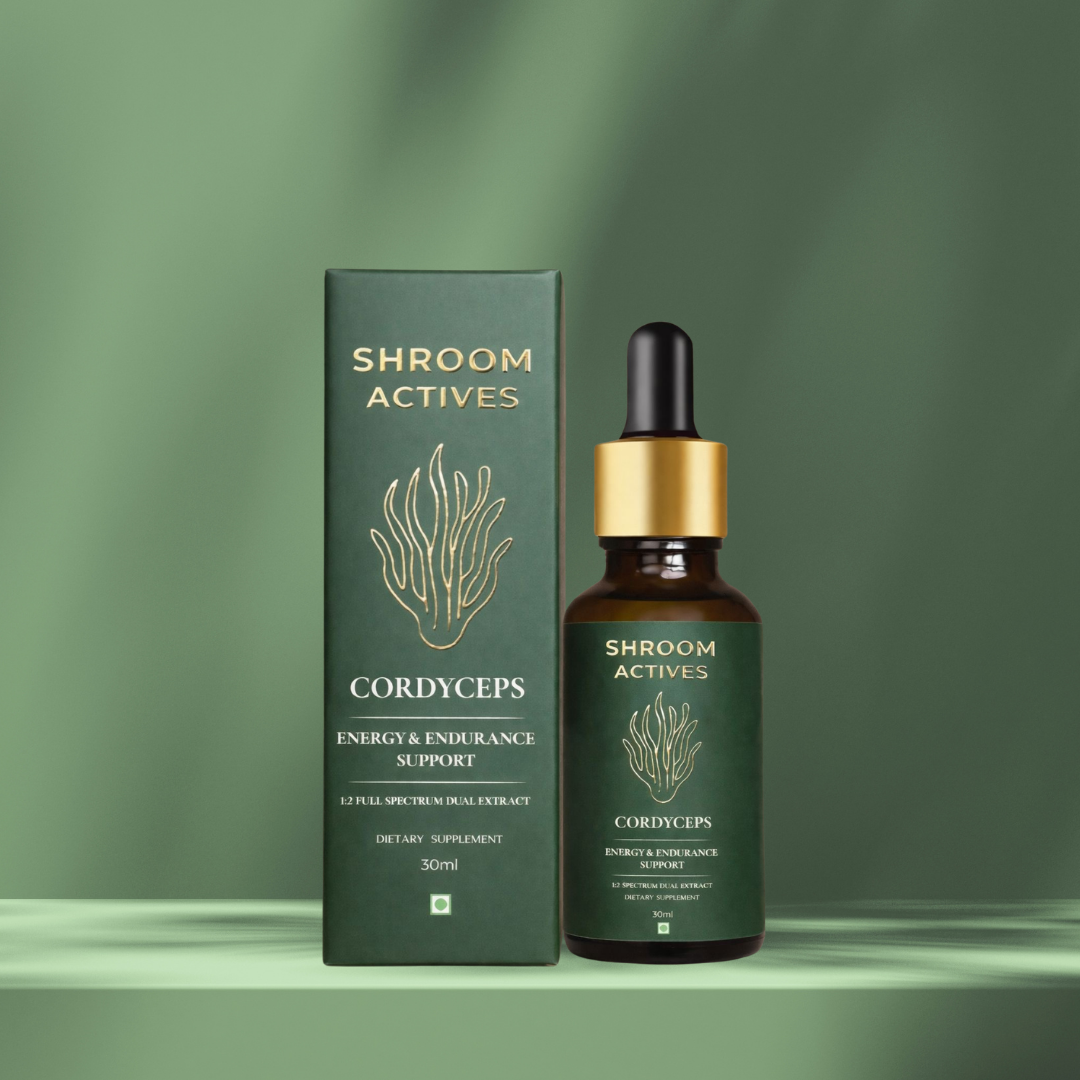
- Cordyceps (Cordyceps militaris) — energy, oxygen utilisation, athletic performance
- Chaga (Inonotus obliquus) — antioxidants, immune support
- Turkey Tail (Trametes versicolor) — gut health, immune function
These aren’t new discoveries. Reishi has been documented in Chinese medical texts for over 2,000 years. Lion’s Mane has been used in traditional Indian and Asian medicine for centuries. What’s new is the scientific investigation: over the last 30 years, researchers have begun systematically studying these mushrooms and identifying the specific compounds responsible for their effects.
What Makes Them Work?
The key bioactive compounds in functional mushrooms include:
Beta-glucans — complex polysaccharides found in the cell walls of most medicinal mushrooms. Beta-glucans are the primary immune-modulating compounds. They don’t stimulate the immune system in a blunt way — they help regulate it, making it more efficient and responsive.
Triterpenes — found primarily in Reishi (as ganoderic acids). These are responsible for Reishi’s adaptogenic and liver-protective effects. They require alcohol extraction to be bioavailable — which is why the extraction method matters.
Hericenones and erinacines — unique to Lion’s Mane. These compounds have been shown to stimulate Nerve Growth Factor (NGF) production, which supports neuron health and cognitive function.
Cordycepin — the primary bioactive in Cordyceps. Structurally similar to adenosine, it enhances ATP synthesis and oxygen utilisation at the cellular level.
Are They Adaptogens?
Many functional mushrooms are classified as adaptogens — substances that help the body adapt to stress and maintain homeostasis. The concept comes from Soviet pharmacology in the 1940s and has been increasingly validated by modern research.
An adaptogen doesn’t push the body in one direction. It helps calibrate. If your cortisol is too high, it helps bring it down. If your immune system is under-functioning, it helps bring it up. This bidirectional action is what makes adaptogens fundamentally different from conventional pharmaceuticals, which typically push a single lever.
Reishi and Cordyceps are the strongest adaptogens in the functional mushroom category. Lion’s Mane is classified more specifically as a nootropic — it has direct cognitive effects rather than general stress-buffering ones.
What’s the Difference Between a Mushroom and a Supplement?
Eating a Lion’s Mane mushroom in a dish gives you some benefit — but far less than a concentrated extract. Here’s why:
Most bioactive compounds in medicinal mushrooms are locked inside chitin cell walls — a tough structural material that human digestive enzymes can’t easily break down. Extraction (using hot water, alcohol, or both) breaks down the chitin and concentrates the bioactives into a bioavailable form.
A quality extract might use 8–10 kg of fresh mushroom to produce 1 kg of extract. This concentration is what makes supplements meaningfully more potent than eating the mushroom in food. It’s also why “mushroom powder” (ground dried mushroom without extraction) is significantly less effective than a proper extract.
What Can You Realistically Expect?
Being honest about expectations matters. Functional mushrooms are not pharmaceuticals. They won’t produce dramatic, immediate effects. What they can do, with consistent use over several weeks:
- Lion’s Mane: Gradual improvement in focus, mental clarity, and memory. Most people notice it at 3–4 weeks.
- Reishi: Better sleep quality and reduced stress reactivity. Effects typically show at 2–4 weeks.
- Cordyceps: Improved stamina and reduced fatigue during physical activity. Most noticeable at 3–6 weeks.
The people who get the most out of functional mushrooms are those who take them consistently, track their baseline (sleep, energy, stress, focus), and give them adequate time. If you take Lion’s Mane for four days and declare it doesn’t work, you’ve not given it a fair trial.
Are They Safe?
The functional mushrooms covered here — Lion’s Mane, Reishi, Cordyceps — have strong safety profiles with centuries of traditional use and modern toxicological studies confirming low adverse effect rates. They are not psychoactive. They don’t contain psilocybin. They’re food-grade fungi.
The main safety considerations are:
- People on blood thinners should consult a doctor before taking Reishi (it has mild anticoagulant effects)
- Anyone with mushroom allergies should approach functional mushroom supplements cautiously
- Pregnant or breastfeeding women should consult a doctor before use
Heavy metal contamination is a real concern with low-quality products — particularly those sourced from unverified suppliers. This is why third-party lab testing for heavy metals matters. Stick to brands that provide batch-level COAs.
Where Do They Fit in an Indian Wellness Context?
India has a rich tradition of adaptogenic plant medicine — Ashwagandha, Brahmi, Tulsi, Shatavari. Functional mushrooms fit naturally alongside this tradition. They’re not a replacement for Ayurvedic adaptogens — they’re complementary, often addressing slightly different mechanisms.
Lion’s Mane + Brahmi for cognitive support. Reishi + Ashwagandha for stress and sleep. Cordyceps as a pre-workout alternative to synthetic stimulants. These combinations make intuitive sense and are increasingly popular among India’s wellness-aware population.
How to Choose Where to Start
Match your primary goal to the mushroom:
- Focus, memory, mental clarity → Lion’s Mane
- Stress, anxiety, sleep → Reishi
- Energy, endurance, gym performance → Cordyceps
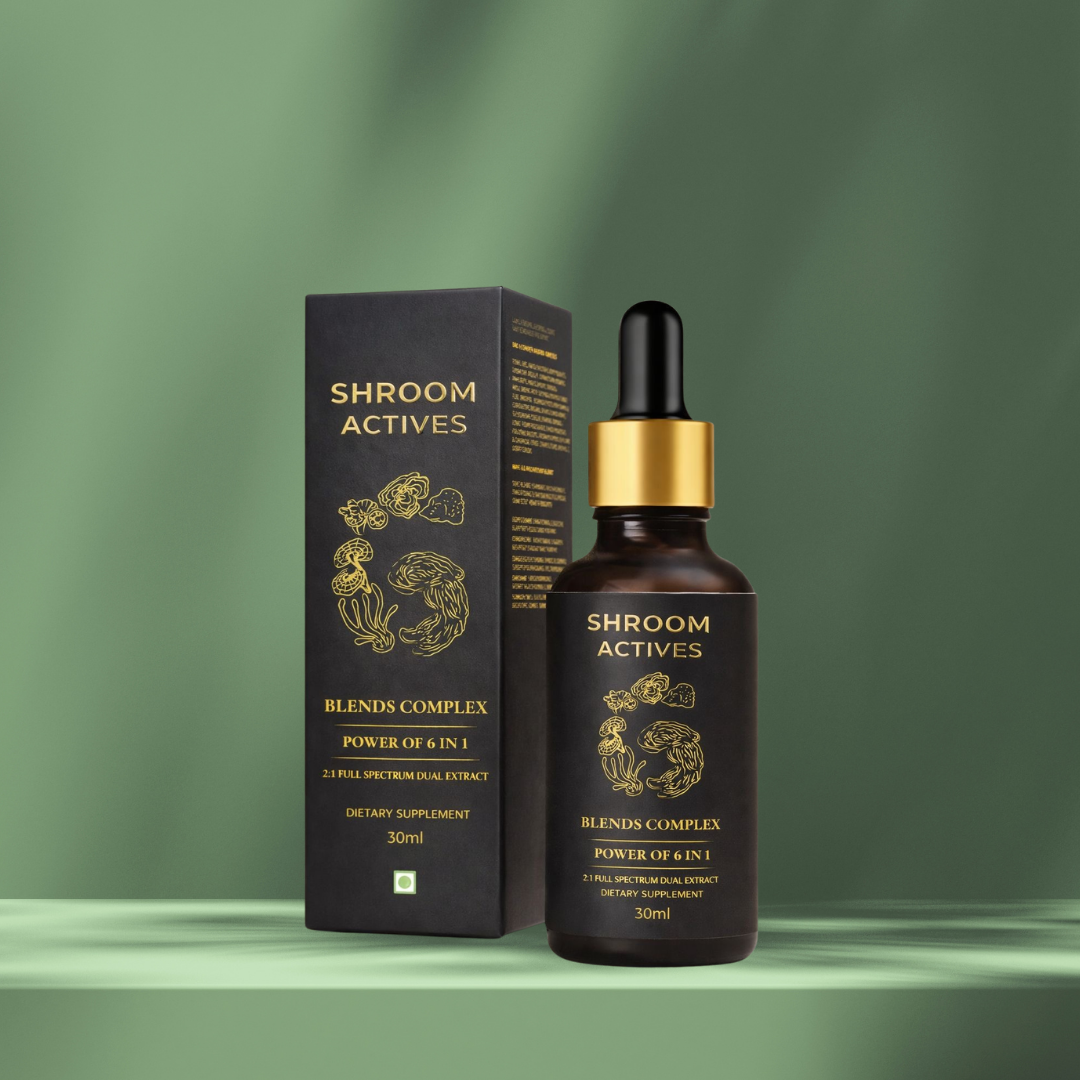
- General wellness and immunity → A blend of all three
Start with one. Give it six weeks. Track what changes. Then layer in a second if needed.
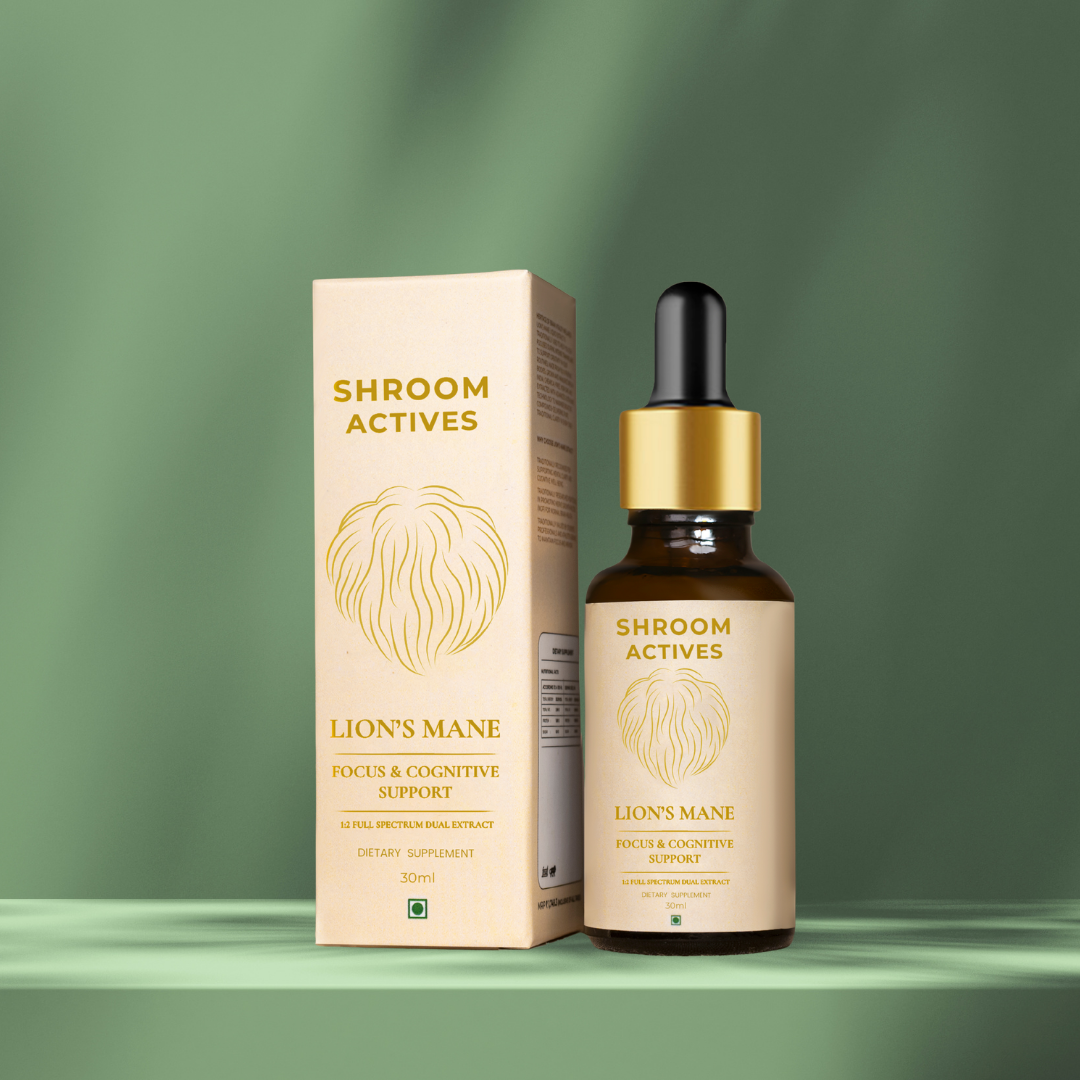
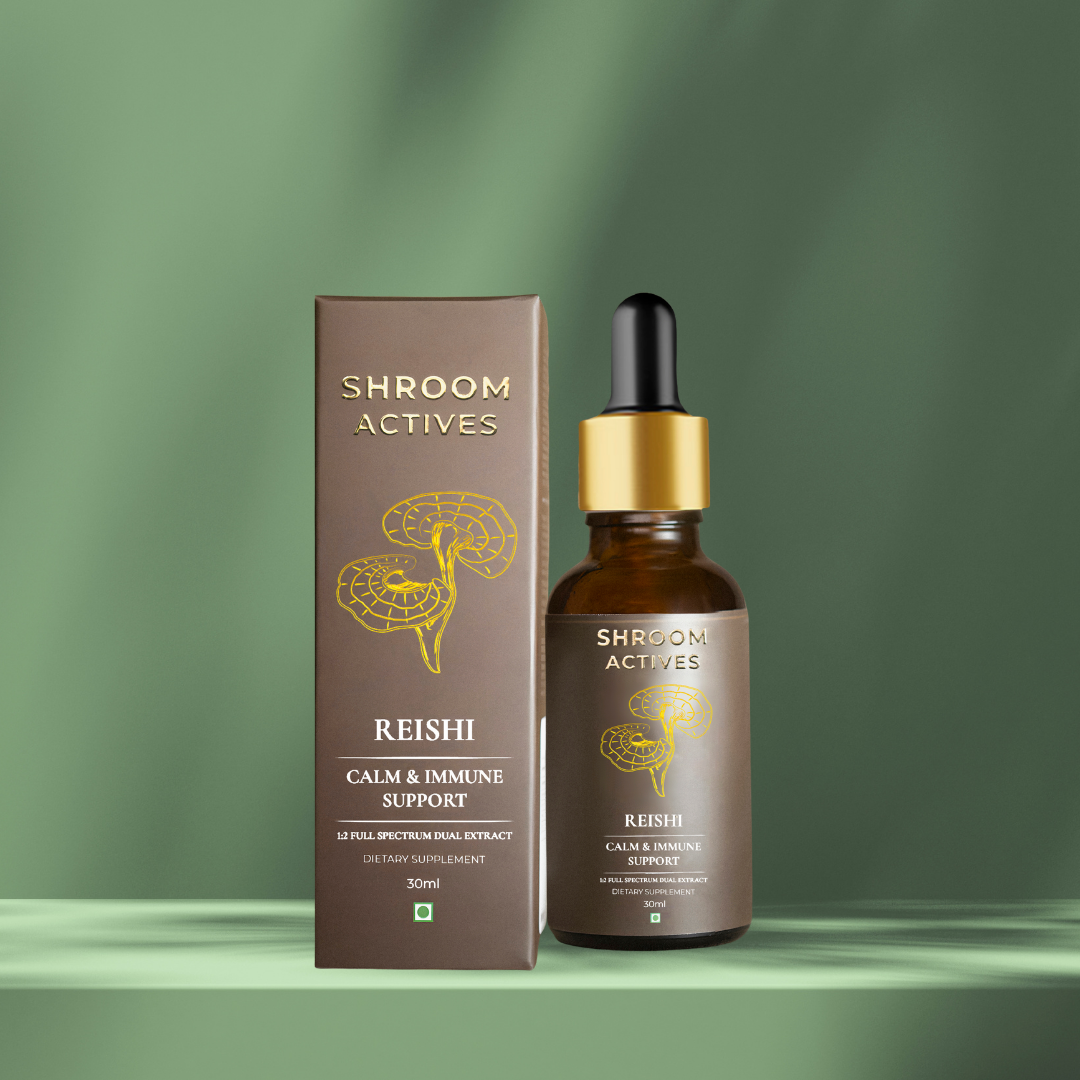
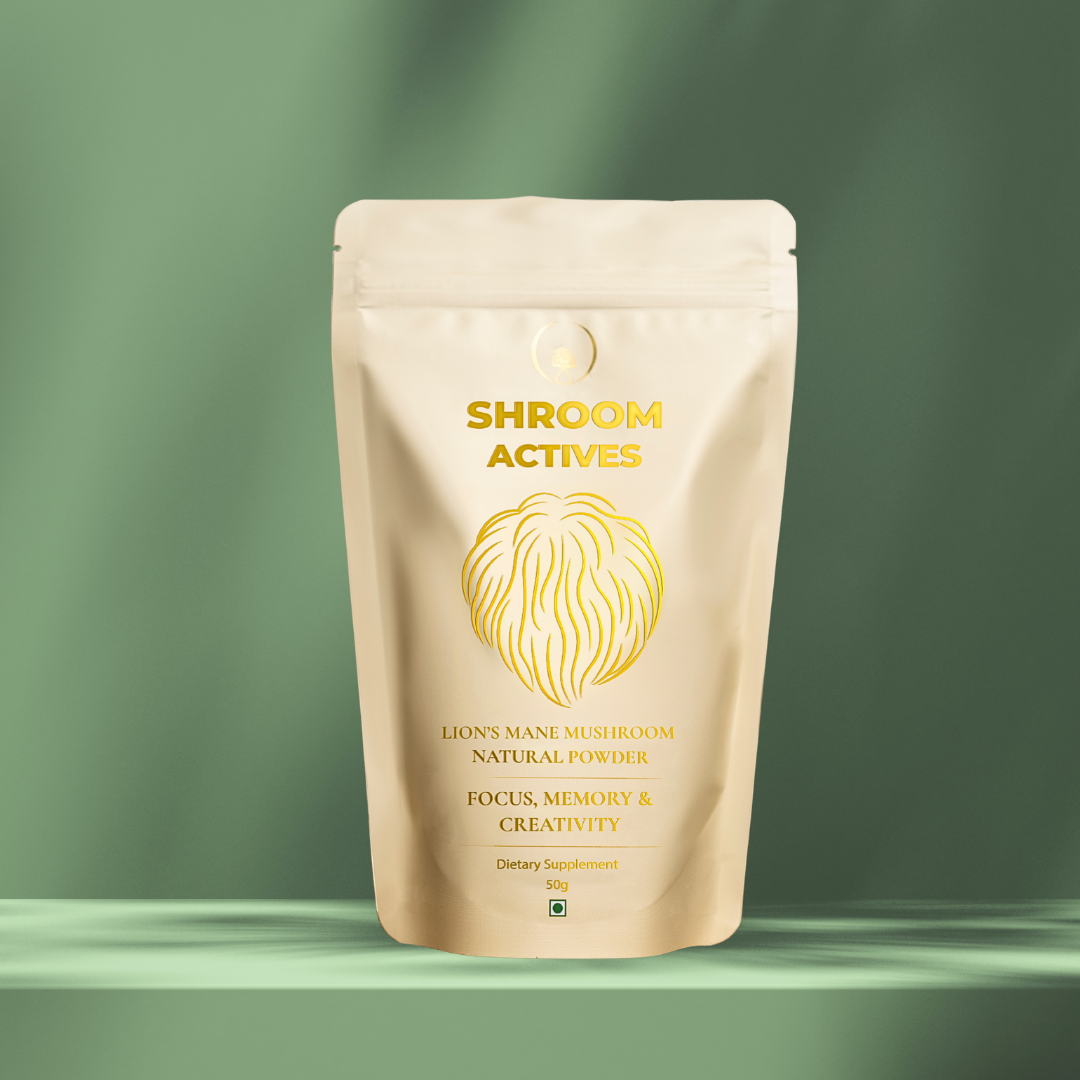
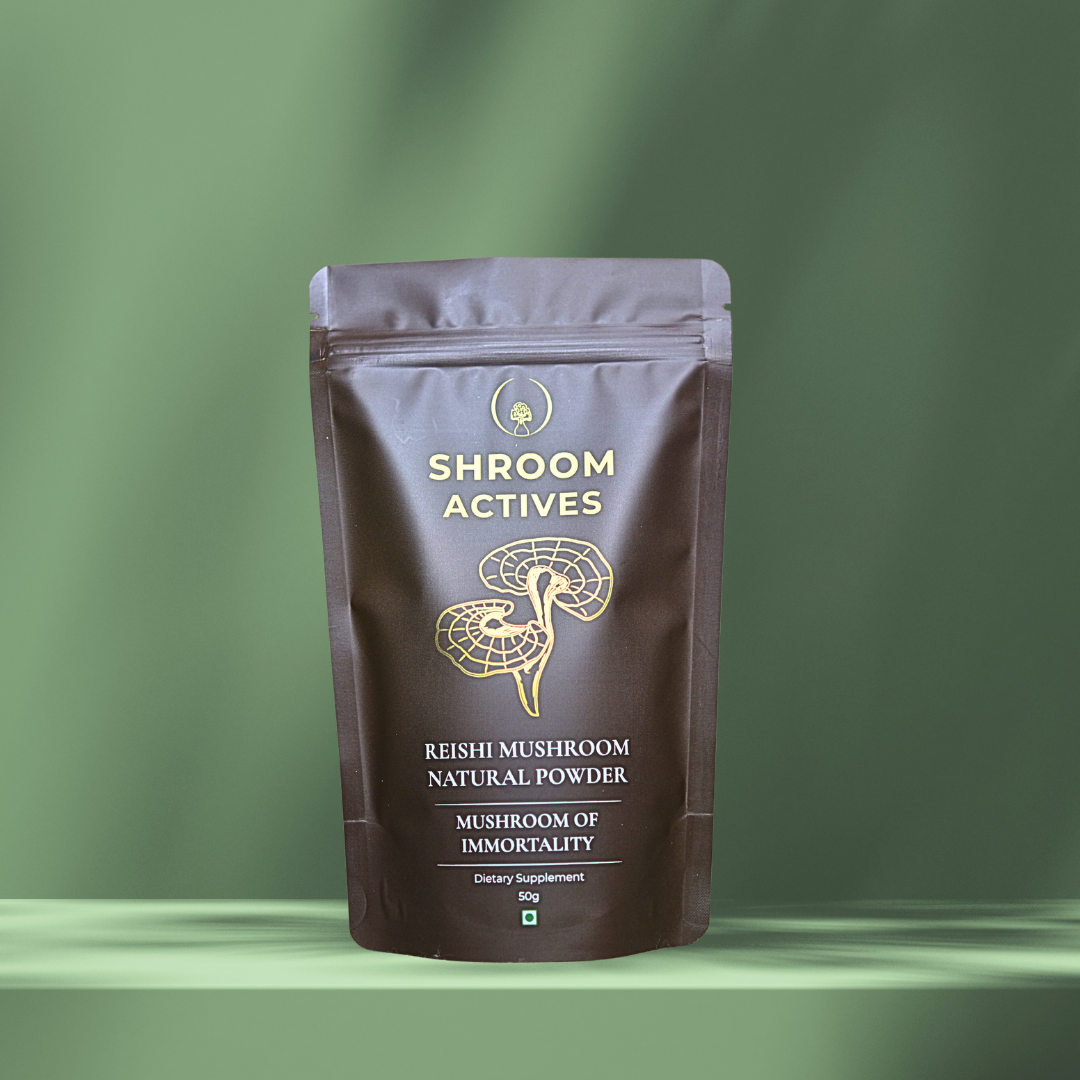
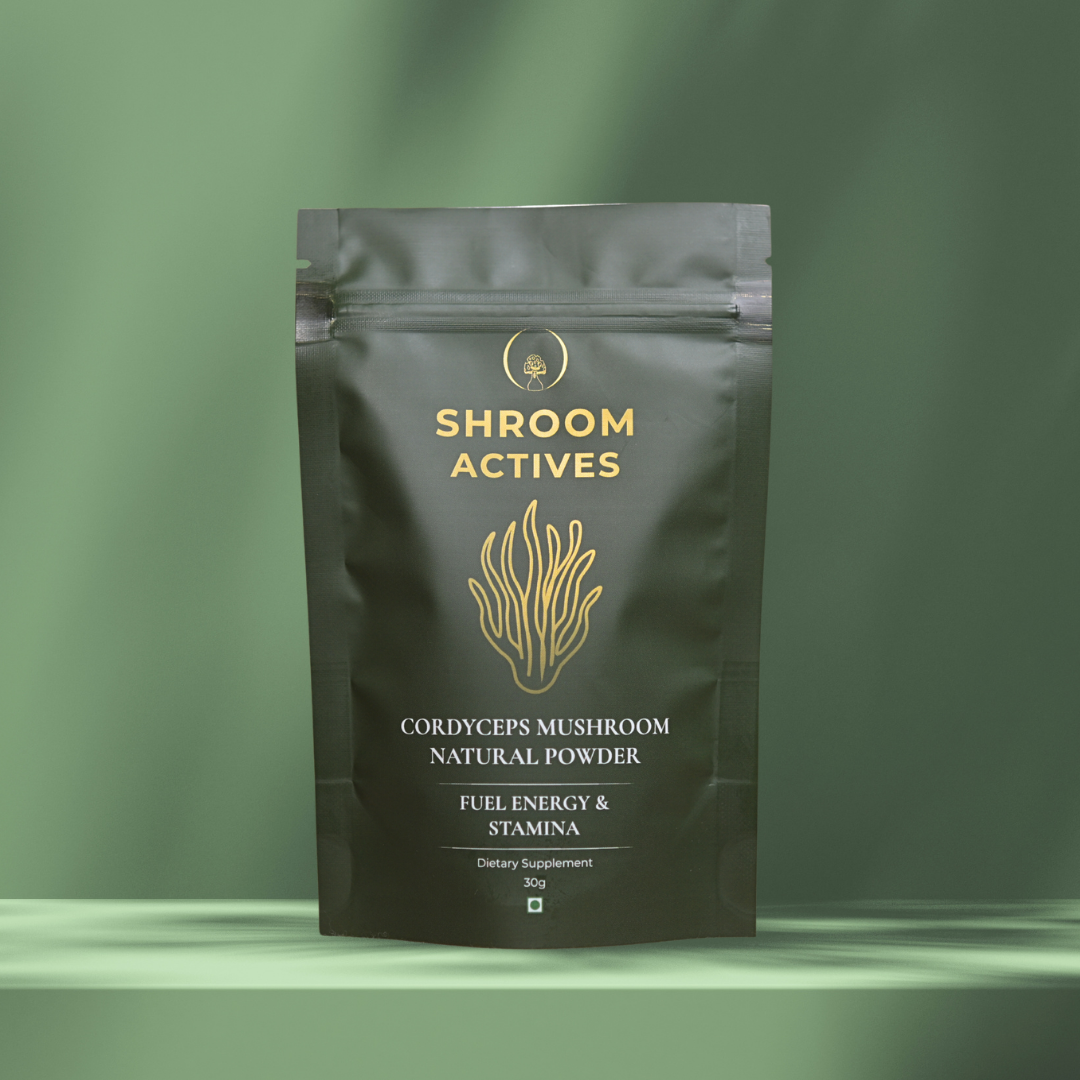
Shroom Actives offers all three as liquid extracts and powders, plus a Blends Complex Drops that combines Lion’s Mane, Reishi, and Cordyceps for those who want a single comprehensive daily supplement. All products use 100% fruiting body extraction with declared beta-glucan content and batch-level COAs.
References: Wasser (2002), Applied Microbiology and Biotechnology; Stamets (2005), Mycelium Running; Rai et al. (2021), Frontiers in Pharmacology.
Ready to try the real thing?
Every batch HPLC-verified. Every number on the label, real.